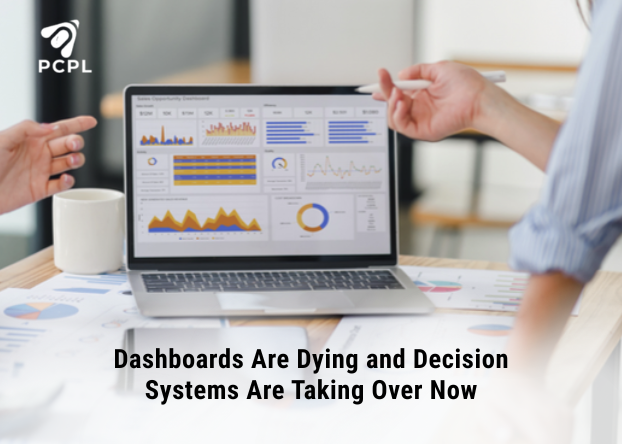
Dashboards Are Dying and Decision Systems Are Taking Over Now
Dashboards come with a fundamental limitation- they inform decisions but donāt make them. And that gap is becoming increasingly costly.
AI fatigue is a productivity killer that erodes morale and drives high-performing talent toward the exit. To stop the drain, we need to understand the root causes and implement strategies to regain control before burnout becomes the new baseline.
Many organizations still rely on technologies built 5, 10, or even 20 years ago, and some of them continue to deliver immense value. The real problem arises when systems can no longer support the speed, integration, flexibility, and intelligence that modern businesses require.
As autonomy rises, so does a fundamental question of whether the systems that are being built today can be trusted?
As enterprise software adoption accelerates, a rift is widening between two primary models- the point solution and the platform approach.
True transformation happens at the point where data, AI, and human judgment converge, where machine intelligence amplifies human decision-making instead of replacing it.
Take a look at this blog for the practical tips for scaling GenAI without chaos, and all these tips are rooted in real-world lessons from successful transformation journeys.
When organizations evaluate AI purely on reduced headcount, lower operational expenses, or automation-led efficiencies, they risk missing the real value AI delivers, such as faster decision-making, improved customer experiences, risk reduction, and new revenue opportunities.
Artificial Intelligence is transforming citizen development from a manual effort into a streamlined, high-impact process.
AI can finally unlock the true power of how we work together by promoting shared understanding and bridging the gaps in our disconnected workplaces.